For many parents, waiting for first words can feel exciting — and stressful at the same time. You may hear other children talking, see milestones online, or wonder if your child is “behind.” These worries are incredibly common, and they’re something we hear every day at Dream Pediatric.
The good news is that children don’t learn to talk through drills or pressure. They learn through connection, interaction, and play. Simple play-based learning activities, done consistently at home, can have a powerful impact on early language development.
In this post, we’ll share simple, practical play-based activities you can use at home to encourage first words — the same kinds of strategies we model with families in our Edmonton clinic.
Why Play Is So Important for First Words
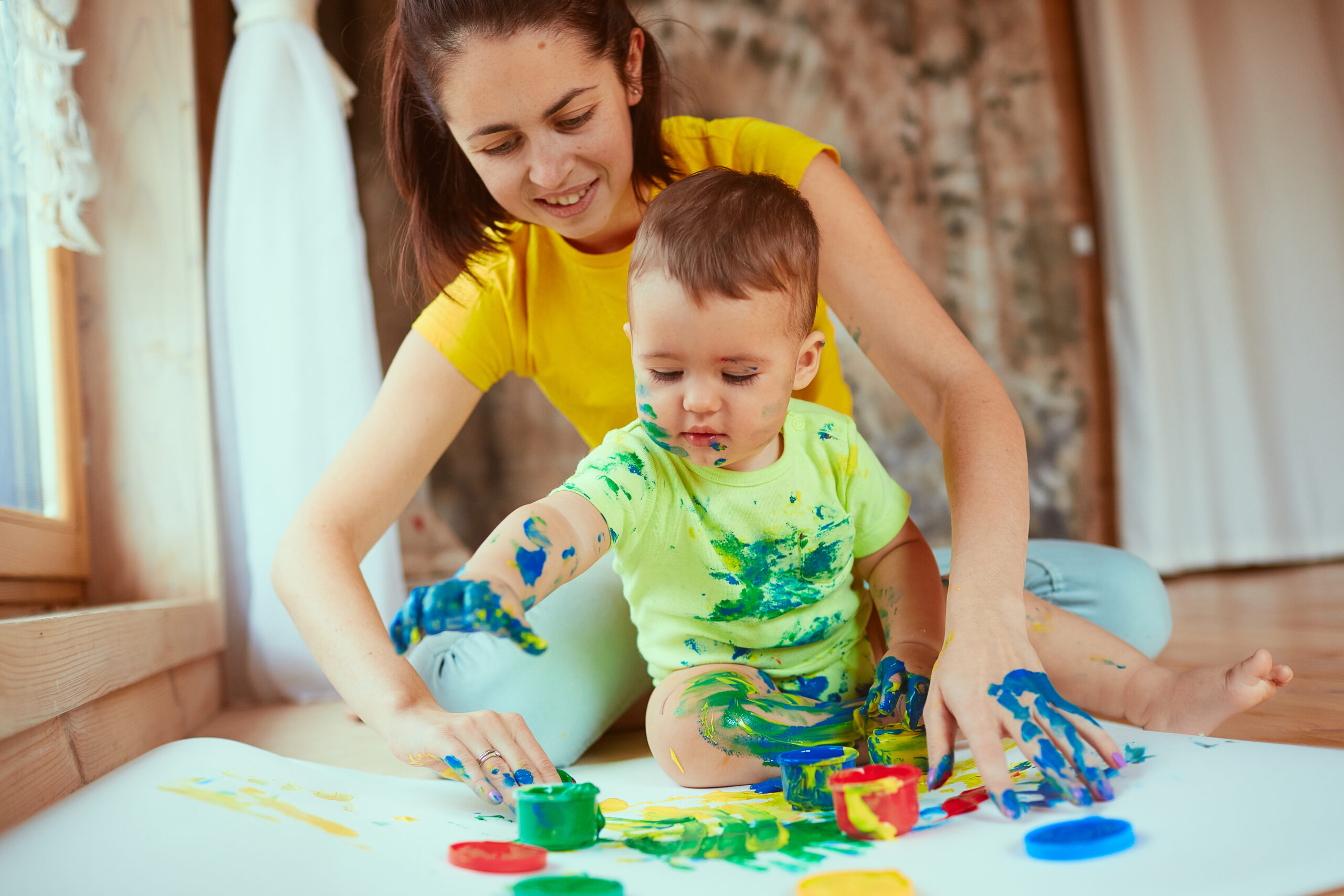
Before children use words, they communicate in many other ways — through gestures, sounds, eye contact, and shared attention. Play creates a natural space for all of these skills to grow.
Play-based learning activities help children:
-
Feel safe and motivated to communicate
-
Practice back-and-forth interaction
-
Learn that sounds and words have meaning
-
Reduce frustration when words aren’t coming yet
-
Build confidence through success
In our clinic, we see children make their biggest gains when learning feels fun and pressure-free.
What Counts as a “First Word”?
First words don’t need to sound perfect. Many parents worry because their child’s words aren’t clear — but clarity comes later.
First words may include:
-
Word approximations (“ba” for ball)
-
Consistent sounds used for a purpose
-
Animal sounds (“moo,” “vroom”)
-
Signs paired with sounds
-
Repeated attempts to imitate
All of these are important steps in communication.
Follow Your Child’s Lead During Play
Sit on the floor with your child and let them choose the activity. When children are interested, communication happens more naturally.
How to support first words:
-
Label what your child is focused on
-
Use simple, repeated words (“car,” “go,” “up”)
-
Pause and wait — give them time to respond
This is one of the most effective play-based learning activities for early language.
Use Songs and Action Games
Songs are powerful tools for language development because they combine rhythm, repetition, and movement.
Try:
-
Wheels on the Bus
-
Itsy Bitsy Spider
-
If You’re Happy and You Know It
Pause before key words and wait. Even a sound, gesture, or smile is communication.
Turn Daily Routines Into Play
Some of the best play-based learning activities don’t look like “play” at all.
During:
-
Snack time → “more,” “eat,” “all done”
-
Bath time → “splash,” “duck,” “wash”
-
Getting dressed → “shoes,” “on,” “off”
Talk about what you’re doing using short, clear phrases.
Read Books in a Playful Way
You don’t need to read every word on the page.
Make book time interactive by:
-
Pointing to pictures and naming them
-
Waiting for your child to point or vocalize
-
Making animal sounds
-
Repeating favorite words
This type of shared attention is key for first words.
Pair Words With Gestures
Gestures help children understand and express meaning before words come easily.
Use gestures like:
-
Pointing
-
Waving
-
Reaching
-
Clapping
In our therapy sessions, we often see words emerge more quickly when gestures are encouraged alongside speech.
Play Simple Turn-Taking Games
Language is social. Turn-taking teaches children that communication goes back and forth.
Try:
-
Rolling a ball
-
Stacking blocks
-
Taking turns with a toy car
Use simple words like “go,” “again,” “my turn,” and “your turn.”
Repeat Words Many Times
Children need to hear words over and over in meaningful situations.
If your child loves bubbles:
-
“Bubbles!”
-
“More bubbles!”
-
“Pop bubbles!”
Repetition within play-based learning activities helps words stick.
How We Use Play-Based Learning Activities at Dream Pediatric
At Dream Pediatric, play-based learning activities are at the core of how we support early communication.
Our approach includes:
-
In-person, relationship-first care
-
Parent-inclusive sessions where we model strategies
-
Child-led play based on interests and strengths
-
Evidence-based techniques grounded in brain science
We don’t expect parents to figure it out alone — we guide you every step of the way.
When At-Home Play May Not Be Enough
Play-based learning activities are powerful, but some children benefit from additional support.
You may want to seek guidance if your child:
-
Is not babbling by 9–10 months
-
Has few or no words by 18 months
-
Becomes very frustrated when trying to communicate
-
Rarely uses gestures like pointing or waving
-
Understands language but doesn’t attempt words
Early support can reduce stress and help children make progress sooner.
How Speech Therapy Supports First Words
Speech therapy builds on play — it doesn’t replace it.
Through therapy, we support:
-
First words and early vocabulary
-
Gestures and joint attention
-
Understanding and following directions
-
Confidence and connection
-
Parent coaching for home routines
Our goal is to make communication feel possible, not pressured.
Early Language Support in Edmonton
Dream Pediatric supports babies and toddlers across Edmonton through compassionate, play-based care.
We offer:
-
Free consultations
-
Parent–child language groups
-
One-on-one speech therapy
-
Neurodiversity-affirming support
-
Clinic, community, and school-based services
We help families move forward with clarity and confidence.
Final Thoughts
Encouraging first words doesn’t require special toys or strict routines. Simple, consistent play-based learning activities, rooted in connection and joy, can make a meaningful difference.
If you’re feeling unsure or worried about your child’s communication, you don’t have to guess.
Book your free consultation with Dream Pediatric in Edmonton and take the next right step with support that feels good and works.