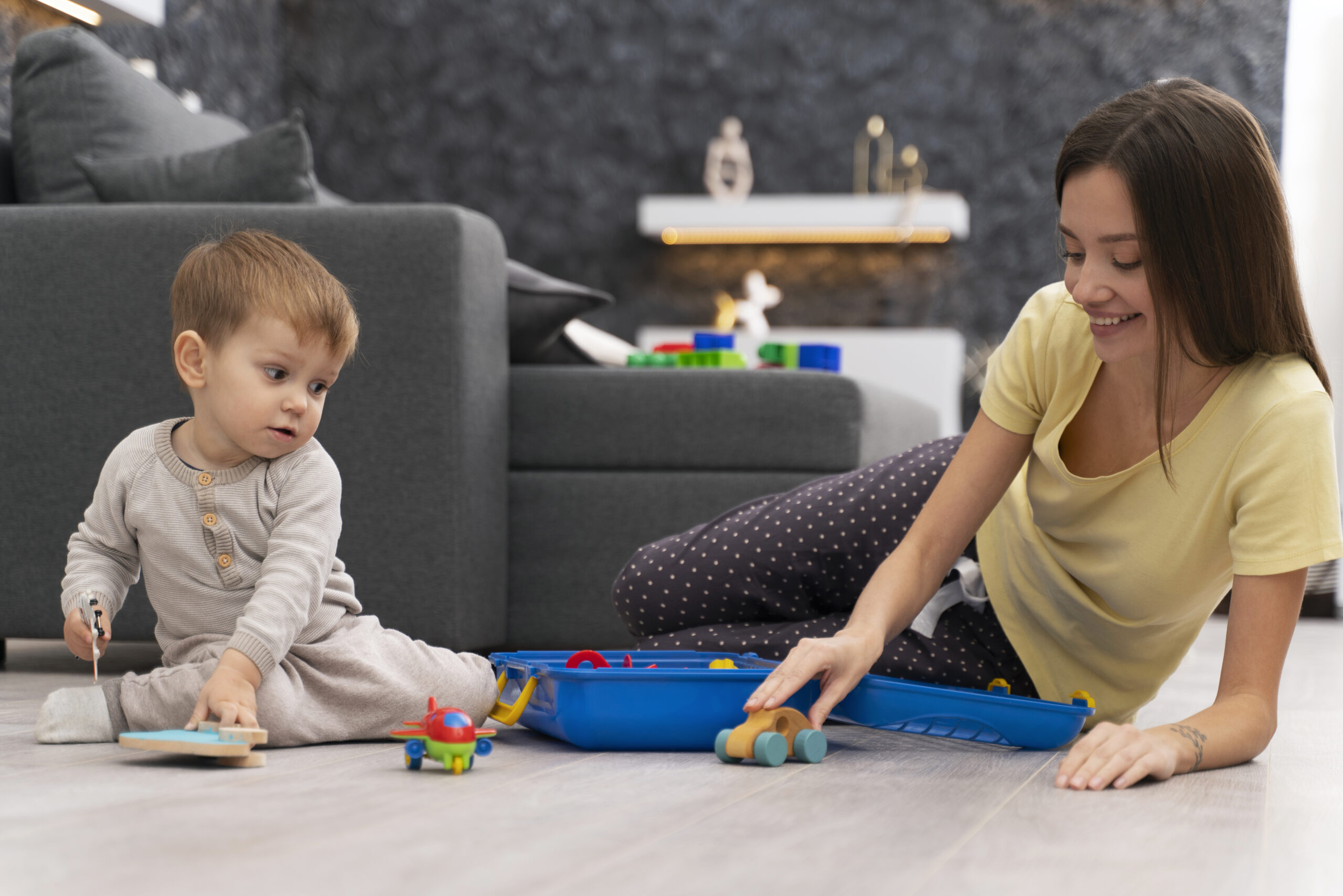
Big emotions are a normal part of childhood — but for some children, those feelings can feel overwhelming. Meltdowns, frustration, difficulty calming down, or intense reactions can leave parents feeling unsure of how to help.
At Dream Pediatric, we support families only in Edmonton who are navigating emotional regulation challenges. Many parents come to us worried that their child is “too emotional” or “not coping well,” when in reality, their child is still learning how to manage big feelings.
This post explains emotional regulation, why some children struggle with it, and how occupational therapy strategies can help — in ways that feel supportive, not stressful.
What Is Emotional Regulation?
Emotional regulation is the ability to:
-
Recognize emotions
-
Manage emotional responses
-
Calm the body after upset
-
Return to activities after big feelings
For young children, emotional regulation is a learned skill, not something they are expected to have naturally.
Why Some Children Have Big Emotional Reactions
Children may struggle with emotional regulation for many reasons, including:
-
Sensory processing differences
-
Language or communication challenges
-
Difficulty with transitions
-
Fatigue or hunger
-
Big changes or new environments
These reactions are not intentional misbehavior — they are signs that a child needs support.
How Occupational Therapy Supports Emotional Regulation
Occupational therapy looks at the whole child — body, emotions, environment, and routines.
At Dream Pediatric in Edmonton, OT support may focus on:
-
Understanding what triggers big emotions
-
Helping the body feel calm and organized
-
Teaching coping strategies in a playful way
-
Supporting transitions and routines
-
Coaching parents on what helps at home
Emotional Regulation & Coping Strategies That Help
Below are practical strategies we often share with families in our Edmonton clinic.
Predictable Routines
Knowing what comes next helps children feel safe. Consistent routines reduce uncertainty and emotional overload.
Co-Regulation Comes First
Children learn regulation through calm, supportive adults.
Staying close, using a steady voice, and offering comfort teaches children how to calm themselves over time.
Movement to Support Calm
Movement can help regulate emotions:
-
Jumping
-
Pushing or pulling
-
Deep pressure hugs
-
Stretching
These activities help the nervous system reset.
Naming Feelings Simply
Using simple words like:
-
“Mad”
-
“Sad”
-
“Happy”
-
“Tired”
helps children begin to understand and express emotions.
Calm Spaces and Breaks
A quiet space with familiar items can help children regroup. This is not a timeout — it’s a support strategy.
What to Avoid During Big Emotions
Even with good intentions, some responses can increase distress. Try to avoid:
-
Talking too much during meltdowns
-
Expecting reasoning in the moment
-
Punishing emotional reactions
-
Rushing children to “calm down”
Support works best when children feel understood.
When Emotional Regulation Challenges Need Extra Support
Occupational therapy may help if your child:
-
Has frequent or intense meltdowns
-
Struggles to recover after being upset
-
Has difficulty with transitions
-
Becomes easily overwhelmed in daily routines
Early support can reduce stress for the whole family.
How Dream Pediatric Supports Emotional Regulation in Edmonton
Dream Pediatric is an Edmonton-based pediatric therapy clinic, and we provide in-person occupational therapy services only within Edmonton.
Our approach includes:
-
Play-based, child-led occupational therapy
-
Emotional regulation and coping strategies
-
Parent coaching and practical guidance
-
Individualized support plans
-
Neurodiversity-affirming, compassionate care
We work closely with families to make daily life more manageable.
Final Thoughts
Big feelings don’t mean something is wrong. They mean a child is still learning how to manage emotions — and that learning takes time and support.
If you live in Edmonton and are concerned about your child’s emotional regulation, you don’t have to navigate it alone.
👉 Book a free consultation with Dream Pediatric (Edmonton only) to talk about occupational therapy strategies that support calm, confidence, and connection.
-