Autism Spectrum Disorder Evaluation
A comprehensive evaluation that helps clarify whether an individual meets criteria for autism spectrum condition, while identifying strengths, support needs, and meaningful next steps
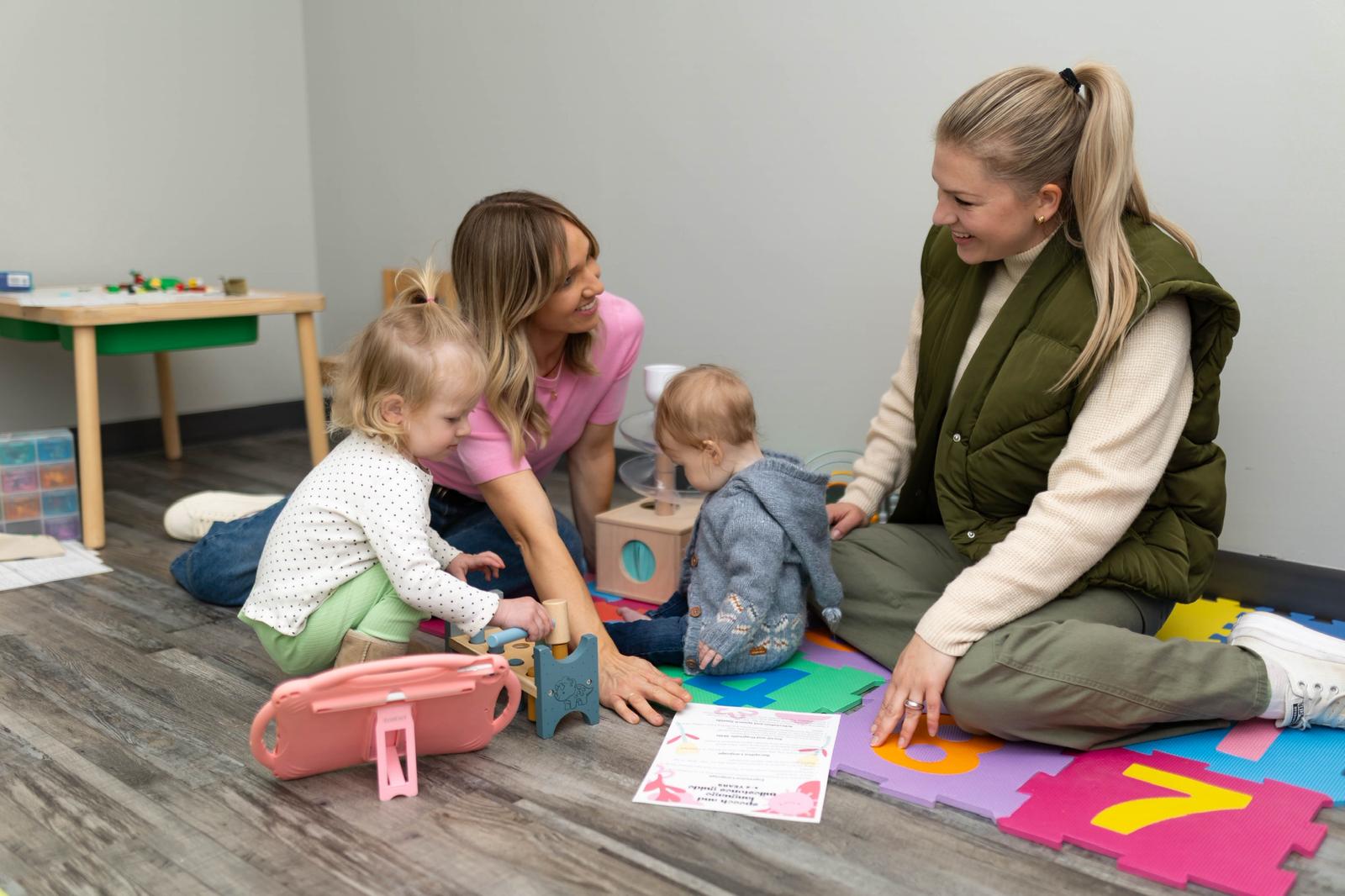
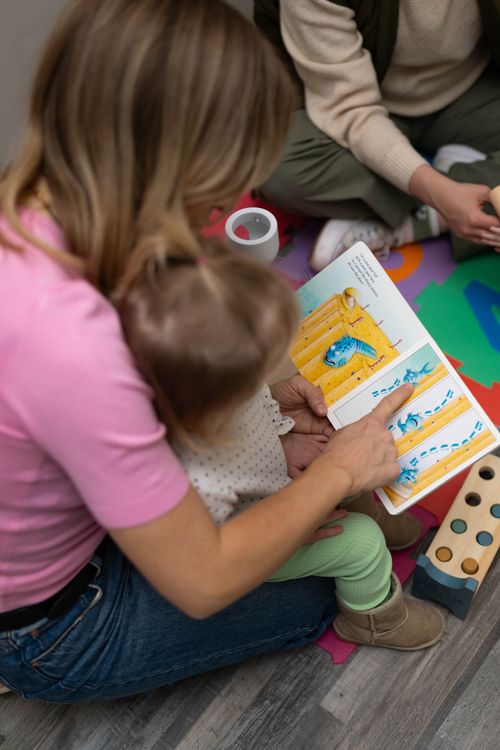
An Autism Assessment is a comprehensive, evidence-based diagnostic process designed to provide a deep understanding of an individual’s unique neurodevelopmental profile.
Far more than a simple checklist, this evaluation integrates standardized clinical tools, such as the ADOS-2, with detailed developmental histories and behavioral observations to identify patterns in social communication, sensory processing, and restricted interests.
The goal of the assessment is not merely to provide a label, but to offer a clear, professional roadmap that highlights both an individual’s innate strengths and their specific support needs. By combining multidisciplinary expertise with a compassionate, person-centered approach, we ensure that every assessment serves as a powerful tool for self-discovery, educational advocacy, and the accessing of specialized interventions that foster long-term growth and quality of life.
- Children (no minimum age) showing interaction and social communication differences
- Teens experiencing sensory or emotional challenges
- Adults seeking clarity or late diagnosis
- Parents, schools, or professionals requesting evaluation
- Individuals needing documentation for support services
EXCELLENT Based on 38 reviews
 Posted on Google
 Duncan MorrisOur 5 year old daughter has been seeing Sarah for her speech needs. I can’t emphasize enough how great the whole staff at Dream has been, but especially Sarah, as she makes the play-based appointments so enjoyable for our daughter that she looks forward to for all the days leading up. I would recommend Dream to anyone who is looking for Speech and Early Childhood services in a comfortable and fun setting with incredibly friendly and professional staff.Posted on Google
 kaitlyn museBritt is such a caring and invested professional and I am so grateful to have met her. She helped my toddler gain skills and confidence in his speech and set really achievable goals for him as well as myself as his parent which made the whole experience feel really good for both of us! She taught me so many tips and ways of looking at speech development that I still use with my one year old twins! If you’re curious about speech therapy or are kind of on the fence - book a consultation with Britt and find out where your little one is at! Thanks again for everything - even if now at almost 3 years old, he never stops talking!! 😂Posted on Google
 Rewa SabraWe are so grateful for the incredible support and care our son has received from Britt at Dream Pediatric Services. She has been patient, kind and genuinely invested in helping him grow. She creates a positive and encouraging environment at every appointment that makes him excited to learn. We've seen wonderful progress in his speech and it's clear that her expertise and dedication have made a real difference. She also takes the time to communicate with us and celebrates every milestone along the way. We highly recommend Dream Pediatric Services to any family looking for a knowledgeable and exceptional speech language pathologist!Posted on Google
 Desiree MullerWe have been working with Brit at dream for a while now, and I can not recommend them enough! My son's speech has improved drastically and his confidence in trying new sounds and words has grown so much. Brit provides such a warm, engaging experience even the most shy kid (like mine) can't wait for the next visit!Posted on Google
 Sammy OliverI recently called Dream Pediatric Services for the first time to ask about speech therapy for my daughter and son, and I had such a positive experience. The woman I spoke with was incredibly kind, patient, and understanding. I was feeling unsure about where to start, but she walked me through everything in a way that made it all feel much less overwhelming. She clearly explained how the appointments work, what the process looks like, and how long therapy might continue depending on each child’s needs. She took the time to answer all my questions and made sure I felt comfortable and informed. If you’re feeling unsure or don’t know where to begin with speech therapy for your child, I highly recommend giving them a call. It was very reassuring and made me feel confident that my kids would be in good hands.Posted on Google
 Michael StuartOur son has been working with Britt for a couple months now, and it has been such a wonderful experience. She clearly has a gift for working with children in a way that is incredibly beneficial to both them and the parents. We continue to see our son's speech develop by the day by using the strategies she's suggested. Our son is always excited to drop in for check-in visits with Britt as well; she has created a great environment for kids to explore and learn.Posted on Google
 Amara McPhailMy daughter and I attended a talk from Britt at The Fourth. It was very informative, practical, and non judgemental. I was so impressed! If I ever need help in the future I will definitely be reaching out.Posted on Google
 Emma BThe team here is amazing. The sessions are fun and engaging. He absolutely loves Emily! He looks forward to every session. He has been working on speech and executive function, it's exciting to see his progress!Posted on Google
 Amber KeusBritt is absolutely incredible to work with and has helped my son SO much! We started working with her when he was 17 months old (he only had one word and had not said mama or dada yet), and now at 22 months, he has over 60 words and is working on two-word phrases. Thankfully our physician didn’t just tell us to wait it out, and his increased ability to communicate has helped lower his frustration immensely. My son loves going to speech and it’s amazing to watch how Britt can just pull words out of him! Highly recommend.Posted on Google
![Kayla Clarke [Nguyen] profile picture](https://lh3.googleusercontent.com/a/ACg8ocK4d5QsZQW4taj3GAQ8tp82tAPBlqg1jOWlkJZGukENzw4s8g=w40-h40-c-rp-mo-br100) Kayla Clarke [Nguyen]I (well, my tiny human), have had the pleasure of working with both Brit and Em - and I have nothing but amazing things to say about both of them. They are so understanding of mom-anxiety when it comes to their kiddos speech development and have created a wonderful, caring environment that is positive, encouraging, and truly so helpful. I cannot highly recommend them enough - they spend so much time working one on one with my little one, and you can see how much they deeply care about their clients. Even if you’re “unsure” if your baby/kiddo needs help - it is 100% worth your time to even have a consultation.
Kayla Clarke [Nguyen]I (well, my tiny human), have had the pleasure of working with both Brit and Em - and I have nothing but amazing things to say about both of them. They are so understanding of mom-anxiety when it comes to their kiddos speech development and have created a wonderful, caring environment that is positive, encouraging, and truly so helpful. I cannot highly recommend them enough - they spend so much time working one on one with my little one, and you can see how much they deeply care about their clients. Even if you’re “unsure” if your baby/kiddo needs help - it is 100% worth your time to even have a consultation.
How Our Assessment Works
Our Assessment Process
- A simple intake process with background information about development, communication, daily functioning, and current concerns
- A comprehensive in-person assessment using clinical interviews, observation, and standardized tools matched to age and presentation
- A warm, respectful approach that allows individuals to feel comfortable and understood throughout the process
- Careful review of strengths, differences, sensory patterns, communication, behaviour, and support needs
- A detailed written report with recommendations, practical next steps, and guidance for home, school, work, or therapy
- Ongoing support through our clinic, including therapy options while waiting for the final report if needed
What You Will Receive
- A comprehensive written report summarizing assessment findings, clinical impressions, and whether autism criteria are met
- Clear recommendations tailored to your child, teen, or your own strengths, needs, and daily life
- Documentation that may support access to funding pathways such as FSCD in Alberta, when appropriate
- Ongoing access to therapy and support through our clinic- there is no need to wait for the final report to begin services
- Practical next steps designed to help families move forward feeling informed, supported, and less overwhelmed
Why Choose Us
- Short wait times when families need answers now Our current wait time is typically 2–4 weeks, compared with many assessment pathways that can take 6–24 months. Families often come to us because they do not want to lose valuable time waiting for support.
- No referral needed and easy access to care. You can contact us directly to book. There is no doctor referral required, which helps reduce delays and makes it easier for families to move forward when concerns arise.
- Therapy can begin right away- no need to wait for a diagnosis Families do not need to wait for an autism diagnosis or final report to begin support. We can start therapy, parent coaching, and developmental support immediately while the assessment process is underway.
- Support while you wait, including letters for PUF eligibility and FSCD applications. For families navigating funding and services, we can provide waitlist letters that may help open the door to PUF funding and FSCD applications and early service planning while awaiting the full assessment report.
- Warm, neurodiversity-affirming assessments Our team takes a respectful, strengths-based approach that helps individuals feel safe, understood, and supported throughout the process.
- Free phone consults and clear next steps Families can connect with our team before booking to ask questions, share concerns, and understand the best path forward- with practical recommendations and support every step of the way.
- Affordable private assessments with direct billing to most major insurance providers We aim to keep private assessment services accessible and offer direct billing whenever possible to reduce financial barriers for families.
Autism Assessments in Edmonton for Children, Teens, and Adults
- Easier appointment access
- Local school collaboration
- Follow-up support nearby
- Familiarity with regional services
- Reduced waiting times
We offer autism assessments for children, teens, and adults in our warm, welcoming Edmonton clinic, with a focus on making the process feel clear, respectful, and supportive from the very beginning. Our team provides evidence-based, neurodiversity-affirming evaluations designed to help individuals and families better understand strengths, needs, and next steps.
Whether you are looking for a private autism assessment in Edmonton, a child autism evaluation, or an adult autism diagnosis, we provide comprehensive assessments with thoughtful recommendations, timely follow-up, and practical guidance you can actually use

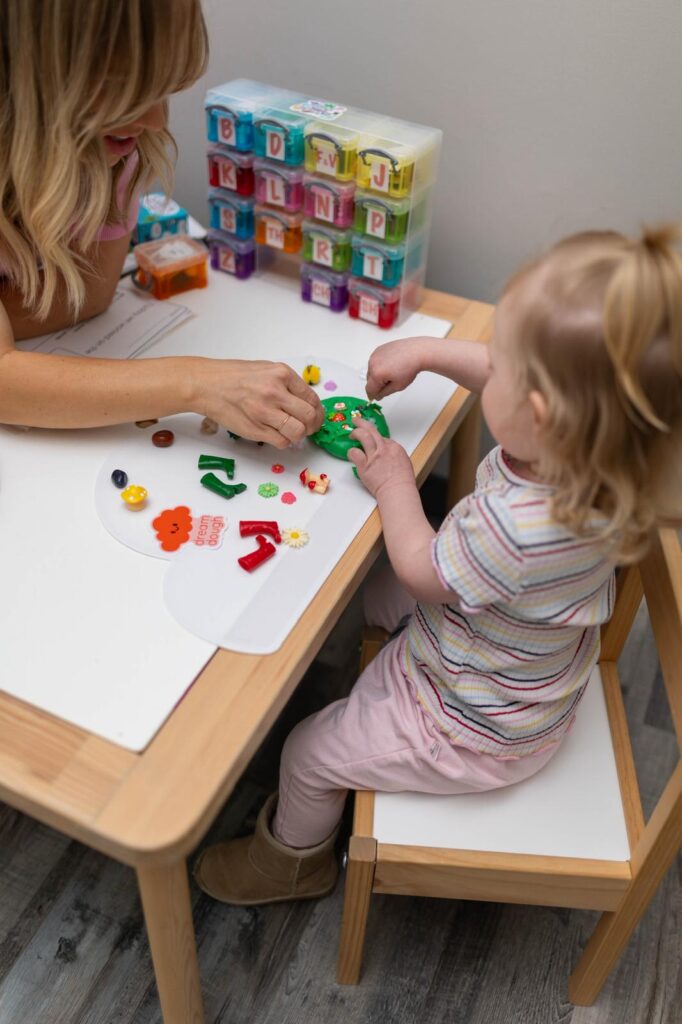
How Our Autism Assessment Works
Step 1: Getting Started – Initial Assessment Consultation
Our autism assessment process begins with a thoughtful initial consultation where we take time to get to know you and/or your child, your concerns, and the bigger picture of their development. This first step is designed to feel supportive and informative- not overwhelming.
During this appointment, we gather a detailed developmental history, talk through your child’s communication, play, sensory preferences, social connection, and daily experiences, and begin understanding both strengths and areas where support may be helpful.
This is not simply about collecting information- it is about building a clear, respectful understanding of who your child is, how they experience the world, and what may be contributing to the questions you have.
By the end of this stage, families leave with a clear sense of the assessment pathway ahead, what to expect next, and how we will tailor the process to best reflect their child in a way that feels accurate, compassionate, and clinically meaningful.
Step 2: Standardized Autism Evaluation (ADOS-2 + Team Assessment)
The next step involves a structured autism assessment using standardized tools, including the ADOS-2 (Autism Diagnostic Observation Schedule), which is one part of the overall assessment process. The ADOS uses play-based and conversational activities designed to help us understand how your child communicates, connects socially, responds to others, and engages with their environment in a natural and supportive setting.
We know that no single tool captures the full picture of a child, which is why assessment findings are always considered alongside developmental history, parent input, clinical observations, and input from our multidisciplinary team when appropriate.
Our goal is never to reduce a child to a score, but to build a thoughtful understanding of their unique strengths, differences, and support needs in a way that feels respectful, clear, and meaningful for families.
Step 3: Clinical Interview (Caregiver or Adult Self-Report)
Step 4: Assessment Analysis & Documentation
Once all parts of the assessment are complete, our clinical team carefully reviews and brings together everything we have learned across the process. This includes standardized assessment results, developmental history, parent input, clinical observations, and the patterns we have seen across appointments.
This stage is where we look closely at the full picture, not just individual test results, to understand how your child communicates, relates, plays, learns, and experiences the world.
Our goal is to ensure that any conclusions and recommendations reflect your child accurately, thoughtfully, and in a way that is clinically meaningful while remaining respectful of their individual profile and strengths.
Step 5: Results Discussion & Clinical Debrief
The final step is a feedback meeting where we sit down together and walk through the assessment findings in clear, understandable language. We take time to explain what we observed, what the results mean, and how they relate to your child’s everyday experiences, strengths, and support needs.
This conversation is designed to feel supportive and practical. Families have space to ask questions, reflect, and talk through what the findings mean for home, school, childcare, and next steps.
Our goal is that you leave feeling informed, supported, and clear on what comes next, with recommendations that are meaningful, realistic, and tailored to your child and family.
Step 6: Comprehensive Diagnostic Report Release
Following your feedback meeting, you will receive a comprehensive written report that clearly summarizes the assessment findings, diagnostic conclusions when applicable, and individualized recommendations.
This report brings together all parts of the assessment process, including developmental history, clinical observations, standardized assessment results, and professional interpretation, into one clear document that families can refer back to and share with schools, physicians, childcare teams, or other professionals involved in their child’s care.
Our goal is for the report to feel practical, understandable, and genuinely useful- not overwhelming- so that it helps guide next steps and supports access to services, funding, and ongoing care where needed.
Step 7: Continued Guidance & Intervention Planning
Our support does not end when the assessment is complete. For many families, this is simply the beginning of understanding their child more clearly and deciding what support feels most helpful moving forward.
We take time to talk through recommendations in a practical way- helping families understand which next steps matter most, what supports may be helpful now, and how to navigate services, therapies, school supports, or funding options if needed.
Because every child and family is different, recommendations are individualized and designed to feel realistic, supportive, and meaningful in everyday life.
When appropriate, therapy can begin right away through our clinic, so families do not need to wait for a diagnosis or report before accessing support. Our goal is always to reduce barriers, offer clarity, and help families feel supported in what comes next.
Next Steps
After the assessment, we help families understand what support may be most helpful moving forward and how to make the recommendations feel manageable in everyday life.
This may include identifying therapy options, exploring sensory supports, discussing school or childcare accommodations, understanding funding pathways, or connecting with other professionals when needed.
Our goal is to bridge the gap between assessment findings and real life, so families leave not only with answers, but with a clearer sense of direction, practical next steps, and support that feels meaningful for their child and family.
Because every child’s profile is different, recommendations are individualized and focused on what will have the greatest impact across home, learning, relationships, and daily participation.
What is an autism assessment?
An autism assessment is a thoughtful, comprehensive process that helps us understand whether a child, teen, or adult meets the criteria for autism, while also looking closely at their unique strengths, differences, and support needs.
It includes conversations with caregivers or the individual, developmental history, clinical observations, and standardized assessment tools that help us better understand communication, social connection, play, behaviour, sensory experiences, and day-to-day functioning.
The goal is not simply to determine whether someone fits a diagnosis, but to build a clear picture of how they experience the world so that recommendations feel meaningful, practical, and supportive moving forward.
Who should consider an autism assessment?
An autism assessment may be helpful for children, teens, or adults when there are ongoing questions about communication, social connection, sensory differences, flexibility, behaviour, or overall development.
Families often reach out when something has felt different for a while, when concerns have been raised by a daycare, school, physician, or therapist, or when they simply want a clearer understanding of their child’s profile and support needs.
For adults and teens, an assessment can also provide helpful insight into lifelong patterns, strengths, and experiences that may not have been fully understood before.
You do not need to be certain autism is the answer to seek an assessment- many families come because they want clarity, direction, and a better understanding of how to support themselves or their child moving forward.
Do you assess both children and adults?
Yes, we offer autism assessments for children, teens, and adults who are looking for greater clarity around their neurotype, how they experience the world, how they learn best, and what supports may be most helpful in daily life.
Do I need a referral? How long is that wait?
No referral is needed to book an autism assessment with our team. You can contact us directly, and current wait times are typically 2–4 weeks from receiving your intake application to your assessment appointment.
Is autism assessment only for diagnosis?
No. Assessments also help identify strengths, support needs, referral pathways, financial support and resources, and recommendations for school, home, or workplace.
What is a professional Autism Assessment?
An Autism Assessment is a multi-dimensional diagnostic process conducted by clinical experts to evaluate an individual’s social, communicative, and behavioral development. Unlike a simple screening, a full assessment involves standardized tools like the ADOS-2, clinical observations, and a review of developmental history to determine if a person meets the criteria for Autism Spectrum Disorder (ASD). This process aims to identify not just challenges, but also the unique cognitive strengths of the individual to create a foundation for future support.
Why is early intervention so critical?
Early understanding and support can make a meaningful difference because the early years are a time of rapid brain development, learning, and connection. When families gain clarity early, it often opens the door to supports that help a child communicate, connect, regulate, and participate more comfortably in everyday life.
The goal of early identification is not to change who a child is, but to better understand how they experience the world so that support can be responsive, respectful, and well matched to their needs.
When families have access to guidance early, they are often better able to advocate, adjust environments, and build strategies that support communication, relationships, learning, and overall well-being as their child grows.
How does the ADOS-2 assessment work?
The ADOS-2 (Autism Diagnostic Observation Schedule) is one of the standardized tools commonly used as part of an autism assessment. It involves structured play-based activities, conversation, and interactive tasks that help us observe communication, social interaction, play, and behavioural patterns in a natural and supportive way.
During the session, the clinicians (typically SLP and psychologist) follow a series of activities designed to create opportunities for social engagement, problem solving, and communication, while paying close attention to how the individual initiates interaction, responds to others, uses non-verbal communication, and moves through the experience.
Like all assessment tools, the ADOS is only one part of the bigger picture. Findings are always considered alongside developmental history, parent or self-report, clinical observations, and other assessment information to ensure conclusions are thoughtful, accurate, and meaningful.
What is the difference between a screening and a diagnostic evaluation?
A screening is a brief preliminary tool, often a questionnaire like the M-CHAT, used to identify individuals who might be at risk for autism, whereas a diagnostic evaluation is an in-depth clinical investigation. While a screening can be done in a few minutes at a pediatrician’s office, a full evaluation takes several hours and involves multiple specialists who analyze various aspects of development. A screening indicates a need for further testing, but only a full diagnostic evaluation can provide a formal medical or educational diagnosis.
Can autism be accurately diagnosed in adults?
Yes, autism can be identified and assessed in adulthood, and for many adults, the process brings a clearer understanding of lifelong patterns that may not have been recognized earlier.
Adult assessments often explore current experiences alongside developmental history, including communication style, social experiences, sensory differences, routines, patterns of thinking, and how everyday life has felt over time.
Many adults seek an assessment because they have long felt different, have questions about why certain environments or relationships feel more effortful, or want a better understanding of their own neurotype.
For many, receiving this clarity can feel validating and meaningful. It often helps reframe past experiences, supports self-understanding, and can guide access to accommodations, supports, or strategies that better fit how they naturally function and relate to the world.
What is a "Multidisciplinary Team" approach?
A multidisciplinary assessment means that professionals from different areas of expertise work together to understand the full picture of a person’s development and day-to-day functioning.
Depending on the individual and the questions being explored, this may include input from psychology, speech-language pathology, and occupational therapy, allowing us to look at communication, social understanding, sensory experiences, regulation, learning, motor skills, and overall development through more than one clinical lens.
This collaborative approach helps ensure that assessment findings are thoughtful, balanced, and reflective of the person as a whole—not just one part of their profile.
Our goal is always to build the clearest understanding possible so that recommendations feel accurate, meaningful, and supportive for real life.
How do I know if my child needs an assessment?
You might consider an autism assessment if you have ongoing questions about how your child communicates, connects, plays, responds to sensory experiences, or moves through daily routines.
Some families notice differences such as delayed language, reduced interest in back-and-forth interaction, strong preferences for routines, specific interests, sensory sensitivities, repetitive play patterns, or differences in how their child responds socially compared with other children their age.
Sometimes concerns are raised by a daycare, teacher, physician, or therapist. Other times, parents simply have a feeling that something about their child’s development feels different and want a clearer understanding.
You do not need to wait until concerns become significant to ask questions. An assessment can help provide clarity, explain what you are seeing, and guide next steps in a way that feels supportive and respectful of your child’s unique profile.
What role does the Clinical Interview play?
The Clinical Interview is a cornerstone of the diagnostic process that provides the essential “life story” behind the test scores. By speaking with parents or caregivers, clinicians can understand early milestones, medical history, and how the individual behaves in different settings like home or school. For adults, this interview allows them to explain their internal thought processes and sensory experiences, ensuring that the final diagnosis is grounded in the reality of their daily lived experience rather than just outward observations.
Will the assessment identify other conditions like ADHD or Anxiety?
Yes, a comprehensive autism evaluation is designed to look at the whole person, which often leads to the identification of co-occurring conditions like ADHD, anxiety, or learning disabilities. Because the symptoms of autism frequently overlap with other neurodevelopmental traits, specialists use specific tools to differentiate between them. Understanding these “co-morbidities” is vital because it allows for a more targeted intervention plan that addresses all aspects of the individual’s mental and emotional well-being.
How should I prepare for the "Results Discussion" session?
Preparing for the Results Discussion involves gathering any questions you’ve had throughout the process and being ready to discuss the long-term goals for yourself or your child. It is often helpful to have a notebook to jot down the specialist’s explanations of the findings and the specific terminology used in the report. This session is a collaborative space, so feel free to ask about the practical implications of the diagnosis and request clarification on which recommendations should be prioritized first.
What makes a diagnostic report "professional grade"?
A professional-grade diagnostic report is characterized by its depth, use of standardized scores, and clear clinical reasoning that connects observations to specific diagnostic codes (like those in the DSM-5). It must be comprehensive enough to be accepted by schools for IEPs, healthcare providers for medical treatment, and insurance companies for coverage. Beyond just a “yes or no” diagnosis, a high-quality report provides a nuanced roadmap of strengths and needs that can serve as a legal and clinical document for years to come.
Is autism more difficult to diagnose in females?
Autism can be more challenging to diagnose in females because they often engage in “social masking”—a process where they consciously or unconsciously mimic the social behaviors of others to fit in. Females may also have different types of “special interests” that appear more socially conventional, which can lead to their traits being overlooked by standard assessments. Clinicians who are experts in the female presentation of autism use specific observational techniques to look beneath the surface and identify the underlying social and sensory differences.
How long is the validity of an autism report?
While an autism diagnosis itself is typically considered lifelong, the specific report and its recommendations are usually considered current for about 2 to 3 years. As a child grows and transitions from preschool to primary school or into adolescence, their needs and behaviors change significantly. Periodic updates to the assessment are often required by educational boards or service providers to ensure that the support plan remains relevant to the individual’s current developmental stage and environmental challenges.
Can an assessment be done if the person is non-speaking?
Yes, autism assessments can absolutely be completed for individuals who are non-speaking, minimally speaking, or who communicate in ways other than spoken language.
Assessment tools are selected based on a person’s communication profile, developmental level, and age, and many standardized tools include versions designed specifically for individuals who use few words or communicate nonverbally.
In these cases, we pay close attention to many other forms of communication—such as gestures, facial expressions, eye gaze, shared attention, body language, play, and how a person interacts with others and their environment.
A lack of spoken language does not prevent a meaningful or accurate assessment. Our goal is always to understand how the individual communicates naturally and to ensure the process reflects their strengths, preferences, and unique way of engaging with the world.
What are sensory processing differences?
Sensory differences refer to the way a person experiences and responds to everyday sensory input such as sound, light, touch, movement, textures, smells, or busy environments.
During an assessment, we pay attention to sensory patterns because they often help explain how someone moves through daily life, what feels comfortable or overwhelming, and what supports may be helpful.
Some individuals may notice certain sounds, textures, or sensations very intensely, while others may seek extra movement, pressure, or sensory input to feel regulated and comfortable.
Understanding sensory differences is important because what can sometimes look like distress, avoidance, shutdown, or strong reactions may actually reflect a nervous system responding to too much, too little, or unexpected sensory input.
Including sensory observations in the assessment helps families, schools, and other supports better understand how to create environments that feel safer, more comfortable, and more supportive for everyday participation.
School PUF Contracting Services
We partner with school districts across Edmonton and throughout Alberta—including rural and First Nations communities—to support Program Unit Funding (PUF) students. Our interdisciplinary team provides:
- In-school visits and direct therapy
- Collaboration with teachers, EAs, and families
- Family-Oriented Programming Sessions (FOPS) at school or in the home
We adapt to each school’s needs, making sure every child has the tools to learn, connect, and thrive.
Clinic Services
Our Edmonton clinic offers play-based, individualized therapy for babies, toddlers, preschoolers, and school-aged children. Families can expect:
- 1:1 therapy sessions tailored to their child’s strengths
- Parent coaching and strategies that work at home
- Interdisciplinary support across speech, occupational, and physical therapy
We also provide assessments, therapy blocks, and progress reports to fit your child’s unique journey.
Community Services
- Home visits and therapy in natural environments
- Early intervention for babies and toddlers
- Collaboration with local programs, daycares, and community partners
Wherever we work, our mission stays the same: to empower families and help children grow through connection and play.
We partner with daycares, preschools and schools to offer free on-site screenings, assessments for eligibility of PUF services and on-site, in-home or in-clinic therapy.