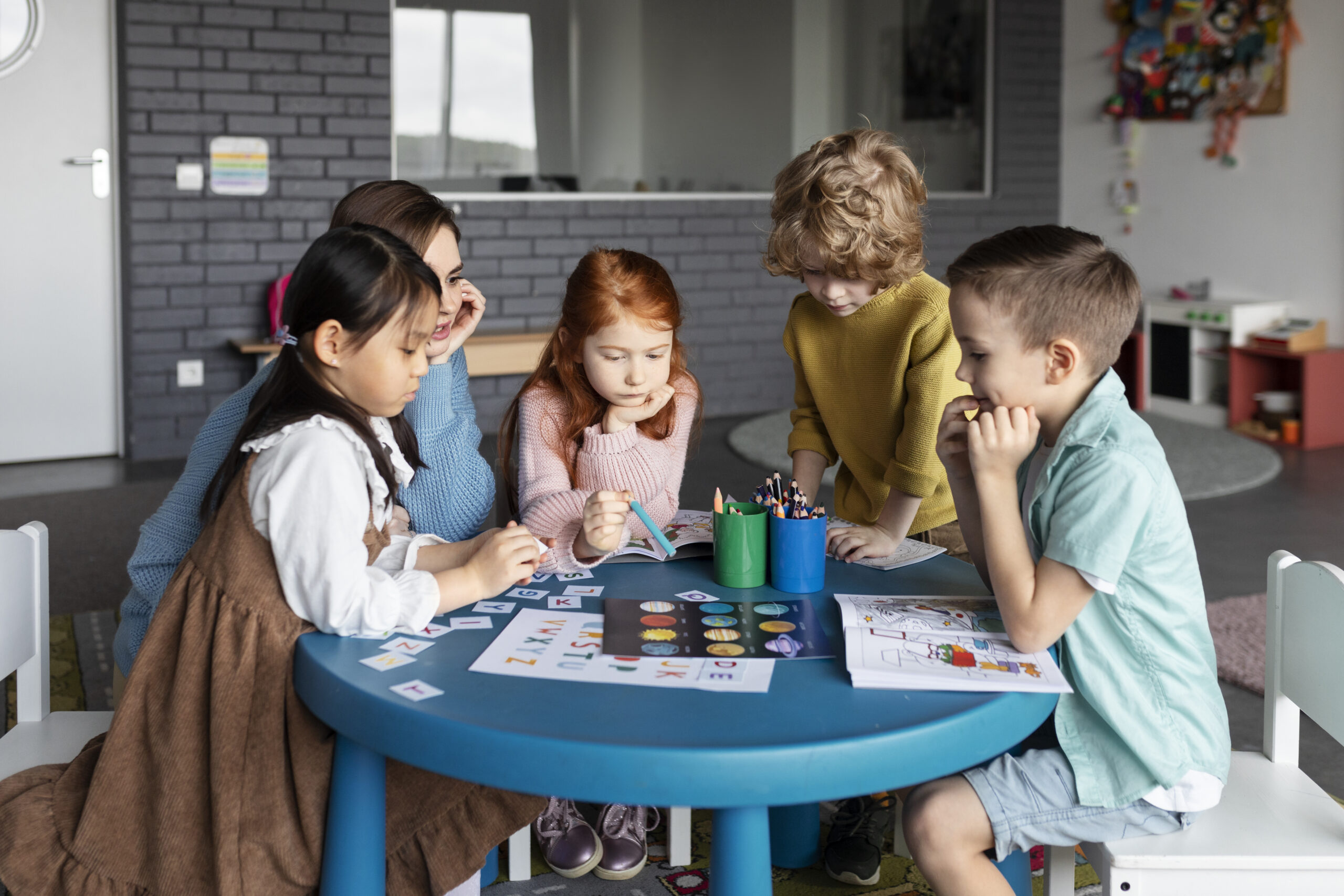
At Dream Pediatric, we know that one of the most powerful ways children develop communication skills is through play. Many parents wonder how to support their child’s first words or gestures, and this is where play-based learning activities truly shine. In our Edmonton clinic, we see every day how children flourish when learning is fun, interactive, and connected to their interests.
In this post, we’ll explore how play-based learning activities can boost early language development, why they are so effective, and how parents can incorporate them at home.
Why Play Matters for Early Language Development
Communication is more than just words. Before children speak, they learn to express themselves through gestures, facial expressions, sounds, and body language. Play provides a safe and engaging environment for this learning.
Play-based learning activities help children:
-
Develop first words: Simple games, songs, and interactive toys encourage children to use sounds and words to communicate.
-
Practice gestures and non-verbal cues: Pointing, waving, or clapping helps toddlers convey meaning before they can speak full sentences.
-
Build social skills: Playing with caregivers or peers teaches turn-taking, eye contact, and listening — all crucial for language development.
-
Strengthen confidence: Children feel successful and motivated when learning happens through fun activities.
At Dream Pediatric, we incorporate play-based learning activities in every session, blending expert guidance with connection and compassion.
Examples of Play-Based Learning Activities for Early Language
Here are some practical play-based learning activities parents can try with babies and toddlers to support speech and language skills:
1. Singing and Nursery Rhymes
Singing helps children recognize rhythms, sounds, and patterns in language. Repeating simple rhymes encourages imitation, memory, and eventually first words.
2. Peek-a-Boo and Hide-and-Seek
These classic games teach anticipation, turn-taking, and gestures like waving or hiding, which are early communication skills.
3. Storytime with Props
Using puppets, toys, or felt boards while reading makes stories interactive. Children learn new vocabulary and how to associate words with objects or actions.
4. Sensory Play
Activities like water play, sand, or textured toys encourage pointing, naming, and requesting — all key parts of early language development.
5. Everyday Routines
Even simple routines like snack time, getting dressed, or bath time can be turned into play-based learning activities. Narrating what you are doing and encouraging the child to respond builds language naturally.
How We Use Play-Based Learning Activities at Dream Pediatric
In our Edmonton clinic, we see how play-based learning activities transform early intervention. Our sessions focus on:
-
Parent-inclusive support: We guide caregivers to use these activities at home, turning everyday moments into learning opportunities.
-
Individualized play: Each child’s strengths, interests, and pace guide the choice of activities.
-
Connection-first approach: We ensure therapy feels playful, safe, and encouraging rather than forced or stressful.
By combining professional guidance with play-based learning activities, children not only develop language but also confidence, social skills, and emotional regulation.
Benefits of Using Play-Based Learning Activities
Research and our clinic experience show that play-based learning activities offer multiple benefits:
-
Faster language acquisition: Children exposed to interactive play often reach language milestones more quickly.
-
Enhanced parent-child bonding: Parents learn to engage in meaningful play, strengthening their relationship.
-
Reduced frustration: Play allows children to express needs and emotions in non-verbal ways before words come naturally.
- Holistic development: Play supports cognitive, motor, social, and emotional skills alongside language.
Tips for Parents to Incorporate Play-Based Learning Activities at Home
Even outside the clinic, parents can use play-based learning activities to help children find their voice:
-
Keep play short and engaging, focusing on fun rather than perfection.
-
Follow your child’s lead — let them choose toys, games, or songs.
-
Use repetition: Children learn best when they hear words and phrases multiple times in context.
-
Combine gestures with words: Encourage pointing, clapping, or waving while naming objects or actions.
-
Celebrate small successes — every attempt at communication is progress.
When to Seek Support
If you notice that your child isn’t babbling, using gestures, or attempting words by around 18 months, play-based learning activities alone may not be enough. That’s when our Edmonton clinic can help.
At Dream Pediatric, we provide:
-
One-on-one speech-language therapy
-
Parent-child language groups
-
Neurodiversity-affirming, play-based interventions
-
Parent coaching to continue learning at home
Our goal is to help children find their voice while empowering parents to support their child’s development confidently.
Final Thoughts
Play-based learning activities are more than just fun — they are powerful tools for building early language skills. By blending play with guidance and support, children develop words, gestures, and social communication naturally.
If you’re worried about your child’s language development or want to support their first words through play, our Edmonton team is here to help. Book your free consultation today, and let us guide you toward the next right step for your child’s communication journey.